How To Know Your Dog Has Bone Cancer : Tripawds » Bone Cancer Tripod Dog Lily Beats Osteosarcoma Odds / Once we know what type of cancer your pet has, we can begin to figure out how to treat it.. Signs your dog has cancer here are some of the most common signs of cancer in dogs and the types of cancer that cause them. If surgery is part of your dog's therapy, you may be referred to a surgical specialist. Osteosarcoma is a common dog cancer in large breeds, and it most often affects the long bones of the legs. Many veterinarians say that raw meat bones are the best bones for a dog. Swelling can exist around the location of the cancer but sometimes no swelling is present at all.
It's clean and does not appear to be infected. The early signs of bone cancer in dogs can difficult for pet parents to recognize since symptoms tend to be subtle. Many dogs with cancer will face a slow decline and at some point a proactive decision may have to be made. Many veterinarians say that raw meat bones are the best bones for a dog. Once bone cancer is determined in the limbs, the vet will assume the dog has metastasis in the lungs as well.
Signs of Osteosarcoma (Bone Cancer) in Dogs from usercontent1.hubimg.com Symptoms of bone cancer in dogs can appear subtly, especially in the early stages of the disease. Dressler, author of the dog cancer survival guide, is how often over the years we've missed signs that our dogs were in pain.and now that we know what the signs are, we're very different caregivers. Bone cancers, such as osteosarcoma, are acutely painful and the dog may be in discomfort when you touch the area. They will talk you through the various options, depending on the type of cancer your dog has. Thankfully, there is a simple technique that will let your vet know what a lump is that is quick, cheap and painless! Problems breathing or going to the. Or, maybe your pet has a large external tumor. Osteosarcoma accounts for 85% of all primary malignant bone tumors of dogs and tends to affect the limbs more commonly than the spine or skull.
Signs of bone cancer in dogs osteosarcoma will often appear in the dog's front limbs near the shoulder, wrist, and knee.
Osteosarcoma accounts for 85% of all primary malignant bone tumors of dogs and tends to affect the limbs more commonly than the spine or skull. A childhood friend who is now a vet tried to provide hope by urging us to do the full chemo protocol asap!. Options may include surgical treatment, combination therapy of surgery and chemotherapy, radiation. It really depends on two things: These are important for veterinarians to know, as some forms of cancer will have a good prognosis and respond to treatment while others may not. Sneezing, difficulties in breathing, nose bleeds or other nasal discharges are common symptoms of bone cancer in dogs when the cancer has occurred in or around the nasal cavity. Unexplained lumps and bumps several forms of cancer can cause lumps or bumps on your dog's body, including a mammary gland tumor. Dressler, author of the dog cancer survival guide, is how often over the years we've missed signs that our dogs were in pain.and now that we know what the signs are, we're very different caregivers. Sometimes a biopsy is performed by taking a small piece of bone and testing it. When to euthanize a dog with cancer. You should be especially suspicious if it's an area that your dog has never paid much attention to in the past. They will talk you through the various options, depending on the type of cancer your dog has. Bone cancers, such as osteosarcoma, are acutely painful and the dog may be in discomfort when you touch the area.
Problems breathing or going to the. A normally energetic dog may begin fatiguing after walking or playing. Please do not let your dog suffer. Often these progress to pathologic fractures (the destruction and lysis of the bone causes the bone to fracture) which cause a lot of pain. Our canine companions are a member of our family, making a cancer diagnosis extremely devastating.
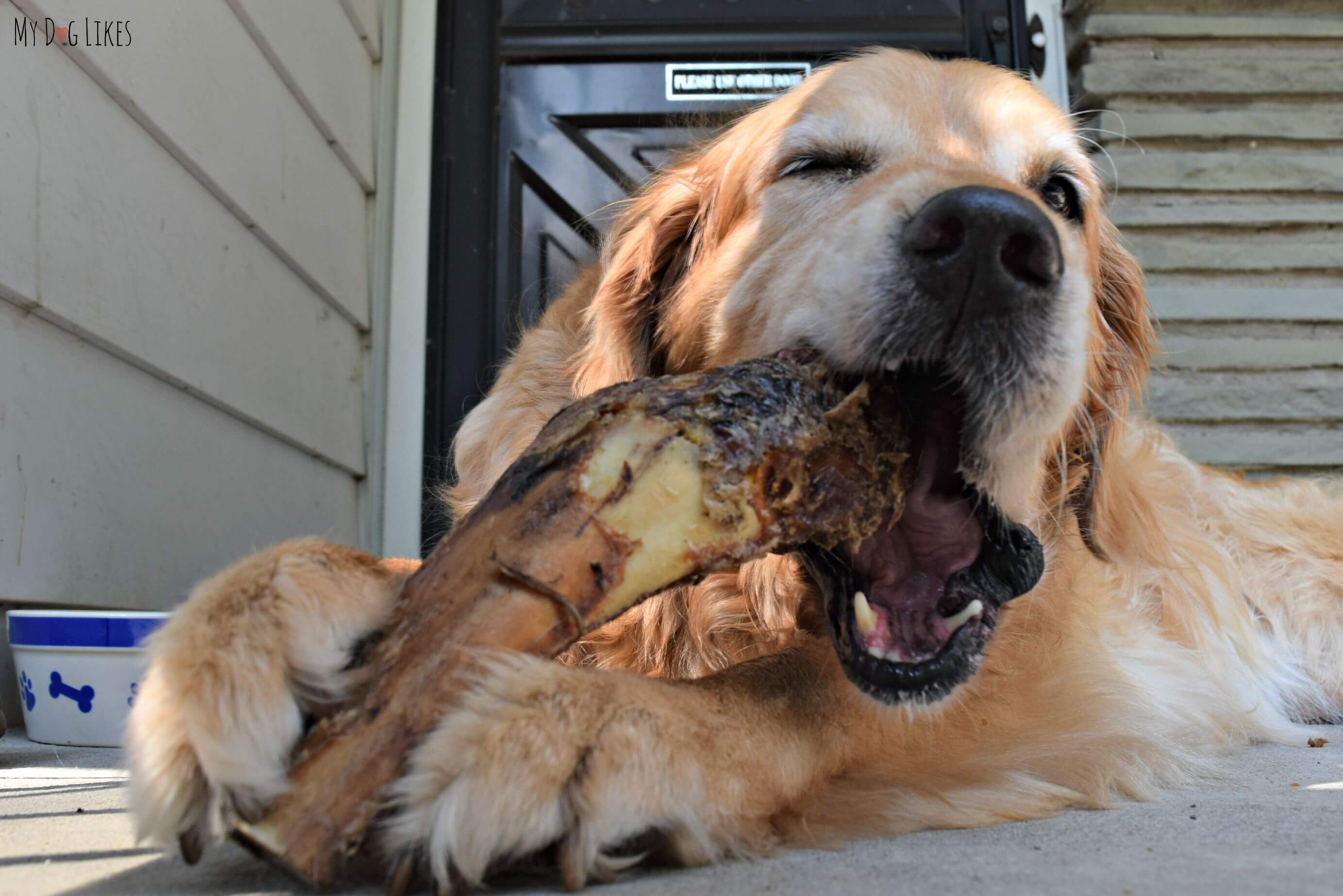
Slammer Time: Bone Safety with Jones Natural Chews from mydoglikes.com Problems breathing or going to the. A type of bone cancer called osteosarcoma is the most common type of primary bone cancer in dogs, accounting for over 95% of all bone tumors. Surgery is the key component. Treatment options for bone cancer once the diagnosis of osteosarcoma has been made, there's a great deal to be gained from consulting with a veterinarian who specializes in oncology to discuss the overall treatment plan. Other types of bone cancer include chondrosarcoma, fibrosarcoma, and hemangiosarcoma. Once bone cancer is determined in the limbs, the vet will assume the dog has metastasis in the lungs as well. In this article we will help you understand the diagnosis of cancer in dogs. A childhood friend who is now a vet tried to provide hope by urging us to do the full chemo protocol asap!.
Other types of bone cancer include chondrosarcoma, fibrosarcoma, and hemangiosarcoma.
Please do not let your dog suffer. Problems breathing or going to the. Dog bone cancer warning signs sometimes bone cancer makes a sudden appearance as a lump in the leg, or in worst case scenario, as a pathologic fracture. Treatment options for bone cancer once the diagnosis of osteosarcoma has been made, there's a great deal to be gained from consulting with a veterinarian who specializes in oncology to discuss the overall treatment plan. Osteosarcoma is a common dog cancer in large breeds, and it most often affects the long bones of the legs. Sneezing, difficulties in breathing, nose bleeds or other nasal discharges are common symptoms of bone cancer in dogs when the cancer has occurred in or around the nasal cavity. Usually, osteosarcoma develops in the long bones of the front legs, though the rear legs, jaw, face. But in most dogs, bone cancer shows up slowly, often over a few months. Larger lumps are harder (and more expensive) to remove than small ones after all. These are important for veterinarians to know, as some forms of cancer will have a good prognosis and respond to treatment while others may not. Signs your dog has cancer here are some of the most common signs of cancer in dogs and the types of cancer that cause them. Cancer in dogs can be treated in many of the same ways that human cancer is treated. Many veterinarians say that raw meat bones are the best bones for a dog.
Not only is it difficult to hear the words, but many owners struggle with understanding the process of their disease and when it's actually time to let them go. Symptoms of bone cancer in dogs can appear subtly, especially in the early stages of the disease. If you believe your dog may have cancer, take them to the vet immediately. Usually, osteosarcoma develops in the long bones of the front legs, though the rear legs, jaw, face. If surgery is part of your dog's therapy, you may be referred to a surgical specialist.
Puppy Cancer Diagnosis - 9 Major Symptoms to Look For In ... from 4.bp.blogspot.com When to euthanize a dog with cancer. They may suggest a number of different treatment options: Cancer in dogs can be treated in many of the same ways that human cancer is treated. Many dogs with cancer will face a slow decline and at some point a proactive decision may have to be made. Problems breathing or going to the. Take your dog to the vet if it has any lameness, as limping is a sign of pain. What type of cancer your dog is suffering from, and what stage the cancer is at. Surgery is the key component.
It's clean and does not appear to be infected.
Signs of bone cancer in dogs osteosarcoma will often appear in the dog's front limbs near the shoulder, wrist, and knee. Although in older dogs it can also be a symptom of arthritis. Treatment options for bone cancer once the diagnosis of osteosarcoma has been made, there's a great deal to be gained from consulting with a veterinarian who specializes in oncology to discuss the overall treatment plan. Some cancers can cause secondary changes in the blood stream that will give us a clue that a dog or cat may have a certain type of cancer. Most dogs will show signs of swelling and soreness in limbs close to joints. Dressler, author of the dog cancer survival guide, is how often over the years we've missed signs that our dogs were in pain.and now that we know what the signs are, we're very different caregivers. When to euthanize a dog with cancer. Options may include surgical treatment, combination therapy of surgery and chemotherapy, radiation. Unexplained lumps and bumps several forms of cancer can cause lumps or bumps on your dog's body, including a mammary gland tumor. Or, maybe your pet has a large external tumor. Not only is it difficult to hear the words, but many owners struggle with understanding the process of their disease and when it's actually time to let them go. You should be especially suspicious if it's an area that your dog has never paid much attention to in the past. Our canine companions are a member of our family, making a cancer diagnosis extremely devastating.